
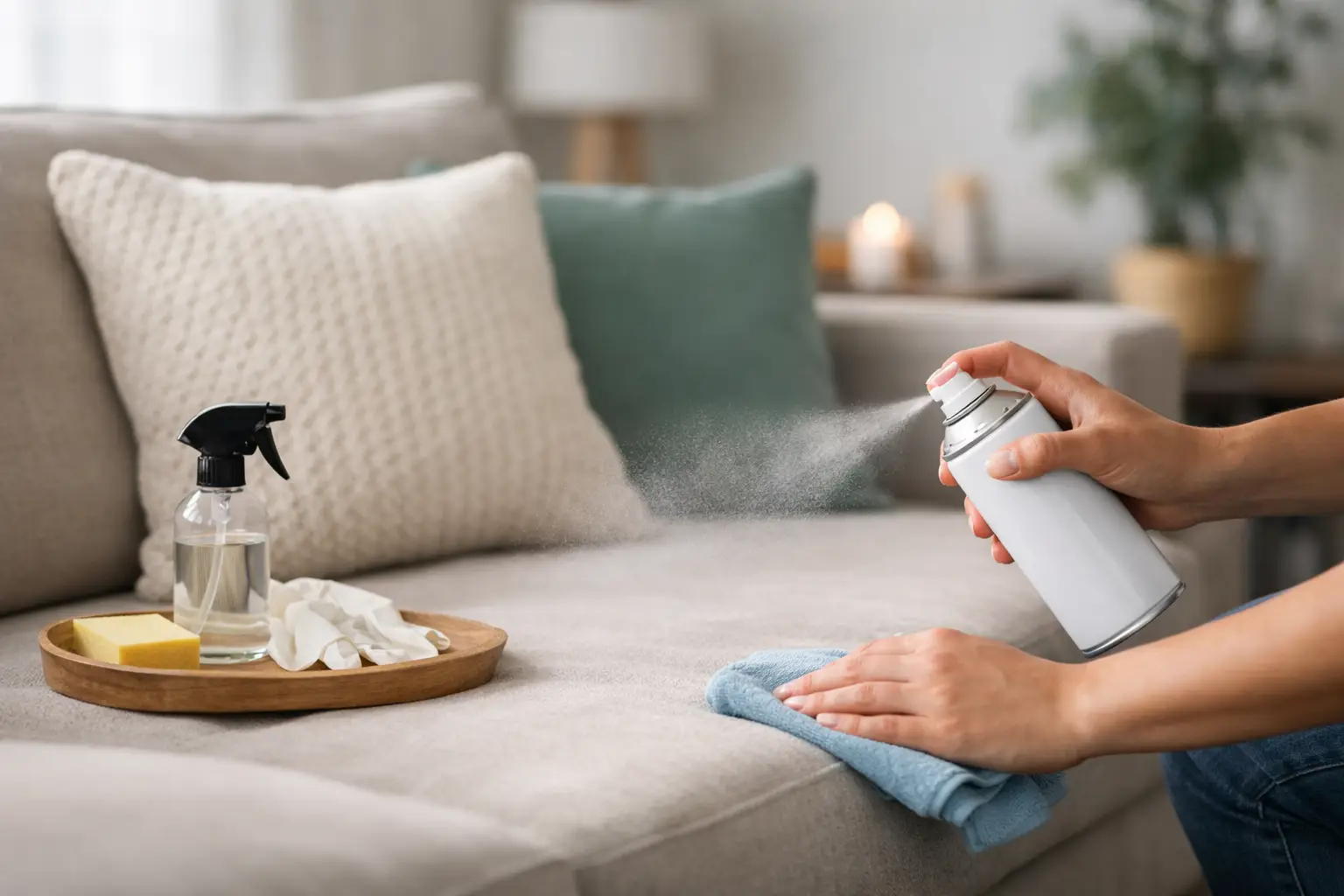
A cream linen sofa can look immaculate on the day it arrives, then quietly begin collecting the marks of real life: a coffee set down in a hurry, sunscreen after a summer afternoon, a child’s snack, the faint transfer from denim. The question of when should upholstery be protected is not about treating every piece with unnecessary product. It is about recognising which fabrics, rooms and routines place an investment at risk, then putting thoughtful protection in place before a small incident becomes a permanent distraction.
For homes, workplaces and vehicles where presentation matters, upholstery protection is part of stewardship. A well-chosen treatment helps fibres resist everyday spills and soil, making careful cleaning more effective and helping the original colour, texture and finish hold their radiance for longer.
When should upholstery be protected?
The best time is usually when upholstery is new, freshly professionally cleaned, or about to enter a period of heavier use. Protection works most effectively on clean, dry fibres. If dust, body oils or an old stain are already present, applying a protector can make that residue harder to address later or leave the fabric looking uneven.
For a new lounge, dining chair or upholstered bedhead, protection can be arranged soon after delivery once the material has been checked for suitability. This early step is particularly worthwhile for natural fibres and pale fabrics, which offer a beautiful finish but tend to show moisture marks, oils and colour transfer more readily than heavily patterned or synthetic textiles.
A professional clean is another ideal point to apply it. Cleaning removes the soils that gradually dull fabric and prepares the surface for an even treatment. In practical terms, it means the furniture receives both restoration and a measure of future defence in the same visit.
Protection should also be considered before a change in how a space is used. Perhaps a formal sitting room is becoming a family room, a rental property is welcoming new tenants, or an office reception area is heading into a busier season. Treating upholstery before the additional traffic arrives is far more effective than waiting for visible wear.
The fabrics and settings that benefit most
Not all upholstery needs the same approach. The decision depends on fibre type, construction, colour and use, rather than simply whether a piece looks expensive. In fact, the more refined the material, the more careful the assessment should be.
Natural and light-coloured fabrics
Linen, cotton, viscose blends, wool and many natural-fibre weaves can be especially vulnerable to liquid marks and absorbed oils. Pale bouclé, ivory dining chairs and soft neutral modular sofas create a calm, elevated interior, yet their forgiving appearance can disappear quickly in a busy household.
Protection may provide valuable extra time to blot a fresh spill before it travels deep into the fibres. It does not make upholstery stain-proof, and it is not a reason to rub, scrub or use supermarket spot cleaners. Its value lies in reducing absorbency and giving proper care a better chance of success.
Silk, velvet, antique textiles and fabrics with unusual dyes or delicate finishes require greater restraint. Some materials cannot be safely treated with a standard protector, while others need a specialist product and discreet testing. A premium result begins with respecting the fabric, not applying a one-size-fits-all solution.
Family rooms and dining spaces
The upholstery most likely to benefit is often the upholstery most loved. A family sofa hosts school bags, weekend films, pets, meals and visitors. Dining chairs face food, wine, oils and the occasional enthusiastic craft project. Even in a house with careful routines, these are high-contact pieces.
Where young children or pets are part of the household, protection is sensible from the outset. It will not prevent claw snags, ink or damage from prolonged exposure to moisture, but it can reduce the impact of many routine spills when they are attended to promptly.
Commercial seating and shared environments
Reception chairs, office lounges, waiting-room seating and meeting-room upholstery accumulate more than visible dirt. They absorb contact from many hands, clothing fibres, food and drink, and regular use by people with different habits. Once the fabric looks tired, the entire space can feel less considered, regardless of how clean the floors or glass may be.
For commercial settings, upholstery protection supports a predictable maintenance routine. It makes routine vacuuming and professional care more effective, while helping seating retain a polished appearance between scheduled cleans. This matters in client-facing spaces, where first impressions are built from the details people may not consciously name.
Vehicle interiors
Car upholstery deserves the same foresight, particularly in family vehicles, prestige cars and work vehicles that carry clients. Light leather, fabric seats and carpeted interiors are exposed to sunscreen, food, dust, rainwater and clothing dye. A suitable interior treatment can make timely cleanup easier and protect the feeling of a well-kept cabin.
Materials must be assessed individually. Leather requires leather-specific care that maintains suppleness, while fabric seats and Alcantara-style surfaces need treatments designed for their pile and finish. The wrong product can alter texture, leave residue or create patchiness under Australian sunlight.
Signs it is time to renew protection
There is no universal calendar for reapplication. How long protection lasts depends on the product used, the fabric, cleaning method, sunlight, frequency of use and how quickly spills are dealt with. A rarely used formal chair may hold its protection far longer than a daily family sofa.
As a general guide, reassess high-use upholstery after professional cleaning or when water no longer beads briefly on the surface and instead darkens the fabric quickly. A change in performance is more meaningful than a fixed date. Protection can also be reduced by repeated spot treatment, steam cleaning, abrasion and accumulated body oils on armrests and headrests.
Do not test with a large amount of water or assume that beading alone proves a fabric is fully protected. A small, inconspicuous area and professional advice will give a more reliable indication. The aim is to maintain the material’s finish, not turn a beautiful textile into something that feels coated or artificial.
Protection is only one part of careful maintenance
A fabric protector cannot replace regular vacuuming, prompt spill response or correct cleaning methods. Dust and dry soil act like fine abrasives, gradually wearing fibres as people sit and move across the surface. Gentle vacuuming with a suitable upholstery attachment helps reduce that slow damage, particularly in seams, under cushions and along arms.
When a spill occurs, blot it immediately with a clean white cloth. Work from the outside of the mark towards the centre, use minimal moisture, and avoid rubbing. Rubbing can spread the stain, distort the pile and push colour deeper into the upholstery. For oils, dye transfer, red wine or unknown stains, early professional attention is the considered choice.
Sunlight also deserves attention. Adelaide’s bright conditions can fade fabrics and dry certain materials over time, even when there are no stains at all. Sheers, blinds, thoughtful furniture placement and rotating loose cushions can help distribute exposure and preserve a more even colour.
Choosing the right time, not just the right product
The strongest upholstery care plan is tailored to the piece and the life around it. A pristine formal velvet chair in a low-use room may need inspection rather than immediate protection. A pale linen sectional in a home with children, a dog and regular entertaining has a much clearer case for a professionally selected treatment. The same reasoning applies to a commercial lounge used by dozens of visitors each week.
Before any application, consider the manufacturer’s care code, warranty guidance, fibre composition and prior treatments. A qualified technician should test an unobtrusive area, confirm that the protector suits the material, and explain realistic expectations. There is a trade-off worth respecting: aggressive protection is never better if it compromises the hand, breathability or appearance of a sensitive fabric.
Rosewood & Luster approaches furniture treatment with that balance in mind: precise care for the surface in front of us, and an eye on how it will be lived with afterwards. Protect upholstery while it is clean, before heavy use and whenever its previous treatment has genuinely diminished. Done with skill and restraint, it helps the pieces you chose with care continue to make the room feel settled, welcoming and beautifully maintained.
Leave a Reply