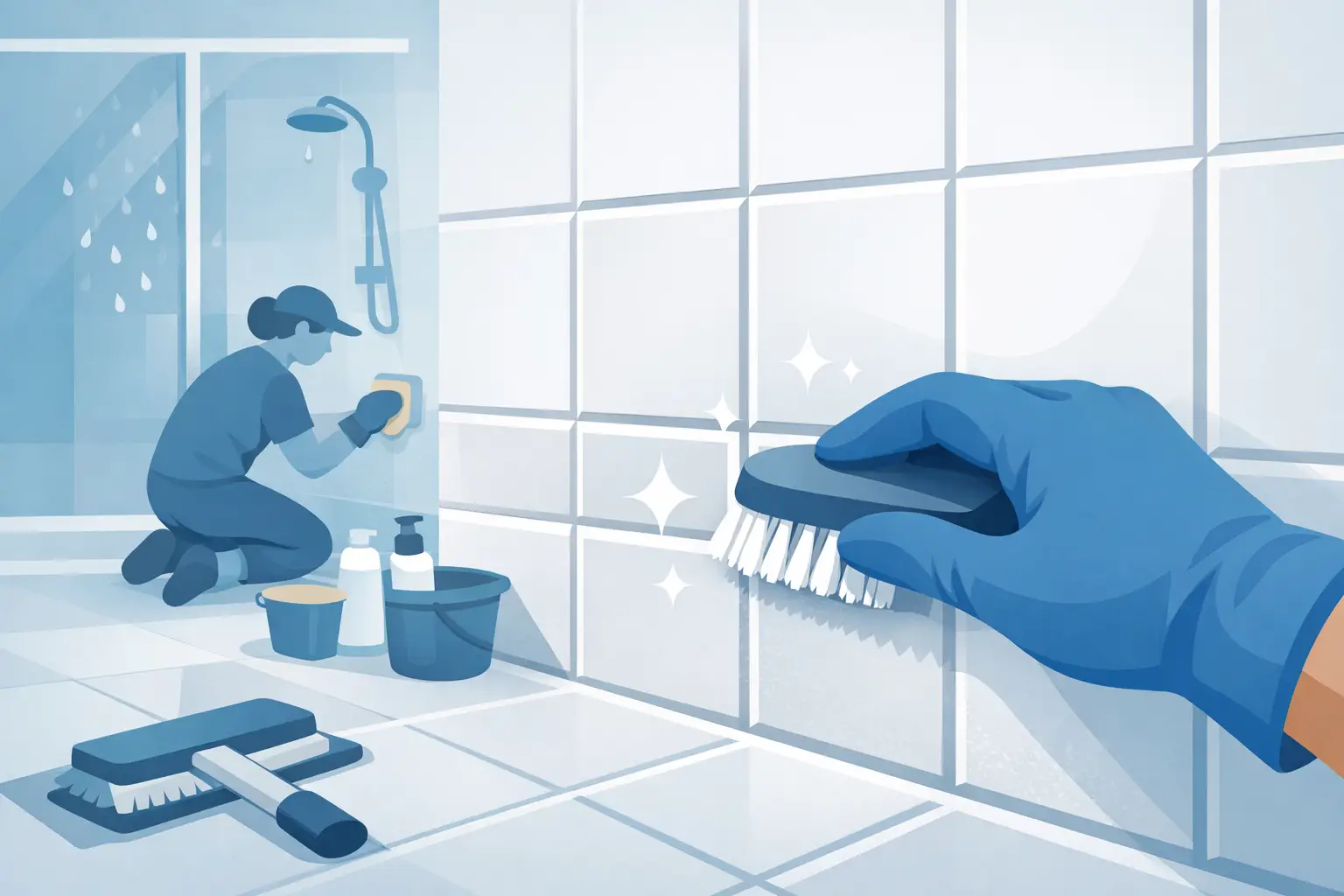
Grout tells on a bathroom faster than almost any other surface. Tile can still look polished while the lines between it begin to yellow, darken, or hold onto soap film that no quick wipe seems to touch. That is why detail oriented bathroom cleaning for grout care matters so much. It is not simply about making a bathroom look cleaner for the day. It is about protecting the finish, reducing buildup before it hardens, and preserving the quiet sense of order that a well-kept bathroom brings.

In premium home care, grout is never treated as an afterthought. It is a porous material, and that porosity is what makes it vulnerable. Moisture, body oils, soap residue, shampoo, mineral deposits, and occasional mildew all settle into it over time. Once that buildup is embedded, the work becomes less about cleaning and more about correction. That shift usually means stronger products, more abrasion, and a greater risk of damaging nearby tile, sealant, or fixtures.

Why detail oriented bathroom cleaning for grout care works

A rushed bathroom clean tends to favor visible surfaces. Mirrors get polished, counters get wiped, and floors are mopped. Grout lines often get whatever runoff is left behind. The problem is that grout does not respond well to broad, surface-level cleaning. It needs targeted attention, measured moisture control, and methods that match the type of buildup present.

Detail-oriented care works because it addresses causes, not just symptoms. Soap scum near the shower walls calls for something different than hard water staining around floor tile. Fresh splashes around a vanity need a different touch than older discoloration in a guest bath that sees little ventilation. When the approach is specific, the result is cleaner grout with less force.

There is also a finish-preserving benefit. Aggressive scrubbing can roughen grout, weaken sealer, and leave surrounding surfaces dull. Precision keeps pressure where it belongs and avoids turning routine care into unnecessary wear.

Grout care begins with accurate observation

Before any product touches the tile, it helps to read the room properly. Good grout care starts with noticing where buildup forms fastest and why. Shower surrounds usually collect a mix of soap film, humidity, and mildew. Bathroom floors often show body oil, dust, and residue tracked from products or damp feet. Around toilets, grout can hold onto fine splatter and disinfectant residue if cleaning routines are inconsistent.

Color matters too. Light grout shows staining quickly, while dark grout can hide film until texture and sheen begin to change. Neither is easier by default. Pale grout asks for frequent upkeep to stay bright. Dark grout asks for close attention so hidden residue does not sit undisturbed.

This is where craftsmanship enters the process. A bathroom should not be cleaned on autopilot. It should be assessed, then cared for according to the materials in front of you.

Not all discoloration means the same thing

Many homeowners assume dark grout means mildew. Sometimes that is true, but often it is concentrated soap residue, mineral staining, or soil that has bonded to a damp surface. Misreading the problem leads to the wrong cleaner and disappointing results.

If grout looks chalky or cloudy, hard water may be the issue. If it feels slick, product residue is often to blame. If the area stays damp and has spotting near corners or caulk lines, microbial growth may be part of the problem. Knowing the difference saves time and protects the finish.

The right bathroom cleaning routine protects grout over time

The best grout care is rarely dramatic. It is steady, thoughtful maintenance that keeps buildup from becoming permanent. In practice, that means bathrooms benefit from a layered routine rather than occasional heavy rescue work.

A light but consistent weekly clean usually does more for grout than an intense monthly scrub. When shower walls are rinsed, excess moisture is removed, and residue is addressed while fresh, grout stays closer to its original condition. Floors benefit from regular dry debris removal before wet cleaning begins, because dirt and hair can turn into muddy paste once moisture is introduced.

Ventilation matters as much as chemistry. A beautifully cleaned shower can start losing ground again if humid air stays trapped for hours. Running an exhaust fan, opening a window when possible, and allowing surfaces to dry reduces the conditions that encourage staining and mildew.

Product choice should be careful, not trendy

There is no shortage of bathroom cleaning advice built around harsh mixtures and dramatic before-and-after claims. The trade-off is that strong solutions can be hard on grout, nearby sealants, natural stone, metal finishes, and even indoor air quality.

A gentler approach is often the smarter one, especially for ongoing care. pH-balanced or material-appropriate cleaners are usually better suited to regular maintenance than highly caustic or acidic products. It depends on the tile and the type of buildup, of course. Mineral deposits may require a different treatment than soap scum. But stronger is not automatically better, particularly in bathrooms with delicate finishes or older grout.

Soft-bristle brushes and microfiber cloths also outperform overly stiff tools in many cases. They clean with control. That matters when you are trying to lift residue without fraying grout lines or scratching surrounding tile.

Where most grout care goes wrong

The most common mistake is oversaturating the area. Because grout is porous, too much water can push residue deeper instead of lifting it away. In poorly ventilated bathrooms, that extra moisture can also linger and create the exact conditions you are trying to prevent.

The next mistake is letting product sit too long. Dwell time can be useful, but only when it is appropriate for the surface and carefully monitored. Leaving cleaner to dry on tile or grout often creates more residue and more work.

Then there is inconsistency. If a bathroom is cleaned thoroughly once, then neglected for weeks, grout tends to absorb the cost of that gap. Buildup hardens, stains settle in, and what could have been gentle maintenance turns into restorative work.

Sealing helps, but it is not a free pass

Sealed grout has an advantage, but sealing is not permanent protection. It slows absorption and gives you more time to remove spills and residue, yet it does not prevent every stain. Over time, sealers wear down, especially in high-use showers and family bathrooms.

That means grout still needs regular attention, and periodic resealing may be worthwhile depending on use. A guest bathroom and a primary family bath do not age the same way. The right care plan depends on traffic, humidity, and the products used in the space.

When professional detail work makes a difference

There comes a point when bathroom grout needs more than routine upkeep. If discoloration remains after careful cleaning, if the texture feels rough or uneven, or if the bathroom never quite looks fresh no matter how often it is cleaned, professional service can change the trajectory.

A detail-driven cleaner brings more than labor. They bring judgment. They know when to treat, when to ease back, and how to protect the surrounding finishes while improving the grout itself. In a premium home, that distinction matters. Bathrooms hold a surprising concentration of sensitive materials – polished metals, specialty tiles, stone surfaces, glass coatings, painted cabinetry. Grout care cannot be separated from the rest of the room.

For households that value consistency, professional maintenance also removes the cycle of waiting until the bathroom looks visibly tired. Instead of reacting to buildup, the space is preserved with intention. That is where a heritage-minded standard of care earns its place.

A bathroom should feel calm, not hard-won

Well-kept grout changes the whole mood of a bathroom. The tile looks cleaner, the light reflects better, and the room feels genuinely tended to rather than superficially wiped down. It is a small detail with an outsized effect, which is exactly why it deserves such careful attention.

Whether you manage a busy household, oversee a property, or simply want your home to feel composed at every level, grout care rewards consistency and restraint. Clean it early, clean it thoughtfully, and let precision do what force never can.
  • Adelaide cleaning service cleaning clear glass wall near sofa
  • Refreshed modern living space, arranged and maintained by Rosewood & Luster
  • Mopping a pristine wooden floor with premium finish
  • Adelaide based mobile car detailing
  • Inner city garden care
  • Rustic outdoor patio with wooden furniture

Detail Oriented Bathroom Cleaning for Grout Care

Detail Oriented Bathroom Cleaning for Grout Care

Grout tells on a bathroom faster than almost any other surface. Tile can still look polished while the lines between it begin to yellow, darken, or hold onto soap film that no quick wipe seems to touch. That is why detail oriented bathroom cleaning for grout care matters so much. It is not simply about making a bathroom look cleaner for the day. It is about protecting the finish, reducing buildup before it hardens, and preserving the quiet sense of order that a well-kept bathroom brings.

In premium home care, grout is never treated as an afterthought. It is a porous material, and that porosity is what makes it vulnerable. Moisture, body oils, soap residue, shampoo, mineral deposits, and occasional mildew all settle into it over time. Once that buildup is embedded, the work becomes less about cleaning and more about correction. That shift usually means stronger products, more abrasion, and a greater risk of damaging nearby tile, sealant, or fixtures.

Why detail oriented bathroom cleaning for grout care works

A rushed bathroom clean tends to favor visible surfaces. Mirrors get polished, counters get wiped, and floors are mopped. Grout lines often get whatever runoff is left behind. The problem is that grout does not respond well to broad, surface-level cleaning. It needs targeted attention, measured moisture control, and methods that match the type of buildup present.

Detail-oriented care works because it addresses causes, not just symptoms. Soap scum near the shower walls calls for something different than hard water staining around floor tile. Fresh splashes around a vanity need a different touch than older discoloration in a guest bath that sees little ventilation. When the approach is specific, the result is cleaner grout with less force.

There is also a finish-preserving benefit. Aggressive scrubbing can roughen grout, weaken sealer, and leave surrounding surfaces dull. Precision keeps pressure where it belongs and avoids turning routine care into unnecessary wear.

Grout care begins with accurate observation

Before any product touches the tile, it helps to read the room properly. Good grout care starts with noticing where buildup forms fastest and why. Shower surrounds usually collect a mix of soap film, humidity, and mildew. Bathroom floors often show body oil, dust, and residue tracked from products or damp feet. Around toilets, grout can hold onto fine splatter and disinfectant residue if cleaning routines are inconsistent.

Color matters too. Light grout shows staining quickly, while dark grout can hide film until texture and sheen begin to change. Neither is easier by default. Pale grout asks for frequent upkeep to stay bright. Dark grout asks for close attention so hidden residue does not sit undisturbed.

This is where craftsmanship enters the process. A bathroom should not be cleaned on autopilot. It should be assessed, then cared for according to the materials in front of you.

Not all discoloration means the same thing

Many homeowners assume dark grout means mildew. Sometimes that is true, but often it is concentrated soap residue, mineral staining, or soil that has bonded to a damp surface. Misreading the problem leads to the wrong cleaner and disappointing results.

If grout looks chalky or cloudy, hard water may be the issue. If it feels slick, product residue is often to blame. If the area stays damp and has spotting near corners or caulk lines, microbial growth may be part of the problem. Knowing the difference saves time and protects the finish.

The right bathroom cleaning routine protects grout over time

The best grout care is rarely dramatic. It is steady, thoughtful maintenance that keeps buildup from becoming permanent. In practice, that means bathrooms benefit from a layered routine rather than occasional heavy rescue work.

A light but consistent weekly clean usually does more for grout than an intense monthly scrub. When shower walls are rinsed, excess moisture is removed, and residue is addressed while fresh, grout stays closer to its original condition. Floors benefit from regular dry debris removal before wet cleaning begins, because dirt and hair can turn into muddy paste once moisture is introduced.

Ventilation matters as much as chemistry. A beautifully cleaned shower can start losing ground again if humid air stays trapped for hours. Running an exhaust fan, opening a window when possible, and allowing surfaces to dry reduces the conditions that encourage staining and mildew.

Product choice should be careful, not trendy

There is no shortage of bathroom cleaning advice built around harsh mixtures and dramatic before-and-after claims. The trade-off is that strong solutions can be hard on grout, nearby sealants, natural stone, metal finishes, and even indoor air quality.

A gentler approach is often the smarter one, especially for ongoing care. pH-balanced or material-appropriate cleaners are usually better suited to regular maintenance than highly caustic or acidic products. It depends on the tile and the type of buildup, of course. Mineral deposits may require a different treatment than soap scum. But stronger is not automatically better, particularly in bathrooms with delicate finishes or older grout.

Soft-bristle brushes and microfiber cloths also outperform overly stiff tools in many cases. They clean with control. That matters when you are trying to lift residue without fraying grout lines or scratching surrounding tile.

Where most grout care goes wrong

The most common mistake is oversaturating the area. Because grout is porous, too much water can push residue deeper instead of lifting it away. In poorly ventilated bathrooms, that extra moisture can also linger and create the exact conditions you are trying to prevent.

The next mistake is letting product sit too long. Dwell time can be useful, but only when it is appropriate for the surface and carefully monitored. Leaving cleaner to dry on tile or grout often creates more residue and more work.

Then there is inconsistency. If a bathroom is cleaned thoroughly once, then neglected for weeks, grout tends to absorb the cost of that gap. Buildup hardens, stains settle in, and what could have been gentle maintenance turns into restorative work.

Sealing helps, but it is not a free pass

Sealed grout has an advantage, but sealing is not permanent protection. It slows absorption and gives you more time to remove spills and residue, yet it does not prevent every stain. Over time, sealers wear down, especially in high-use showers and family bathrooms.

That means grout still needs regular attention, and periodic resealing may be worthwhile depending on use. A guest bathroom and a primary family bath do not age the same way. The right care plan depends on traffic, humidity, and the products used in the space.

When professional detail work makes a difference

There comes a point when bathroom grout needs more than routine upkeep. If discoloration remains after careful cleaning, if the texture feels rough or uneven, or if the bathroom never quite looks fresh no matter how often it is cleaned, professional service can change the trajectory.

A detail-driven cleaner brings more than labor. They bring judgment. They know when to treat, when to ease back, and how to protect the surrounding finishes while improving the grout itself. In a premium home, that distinction matters. Bathrooms hold a surprising concentration of sensitive materials – polished metals, specialty tiles, stone surfaces, glass coatings, painted cabinetry. Grout care cannot be separated from the rest of the room.

For households that value consistency, professional maintenance also removes the cycle of waiting until the bathroom looks visibly tired. Instead of reacting to buildup, the space is preserved with intention. That is where a heritage-minded standard of care earns its place.

A bathroom should feel calm, not hard-won

Well-kept grout changes the whole mood of a bathroom. The tile looks cleaner, the light reflects better, and the room feels genuinely tended to rather than superficially wiped down. It is a small detail with an outsized effect, which is exactly why it deserves such careful attention.

Whether you manage a busy household, oversee a property, or simply want your home to feel composed at every level, grout care rewards consistency and restraint. Clean it early, clean it thoughtfully, and let precision do what force never can.

Leave a Reply

Discover more from Rosewood & Luster

Subscribe now to keep reading and get access to the full archive.

Continue reading