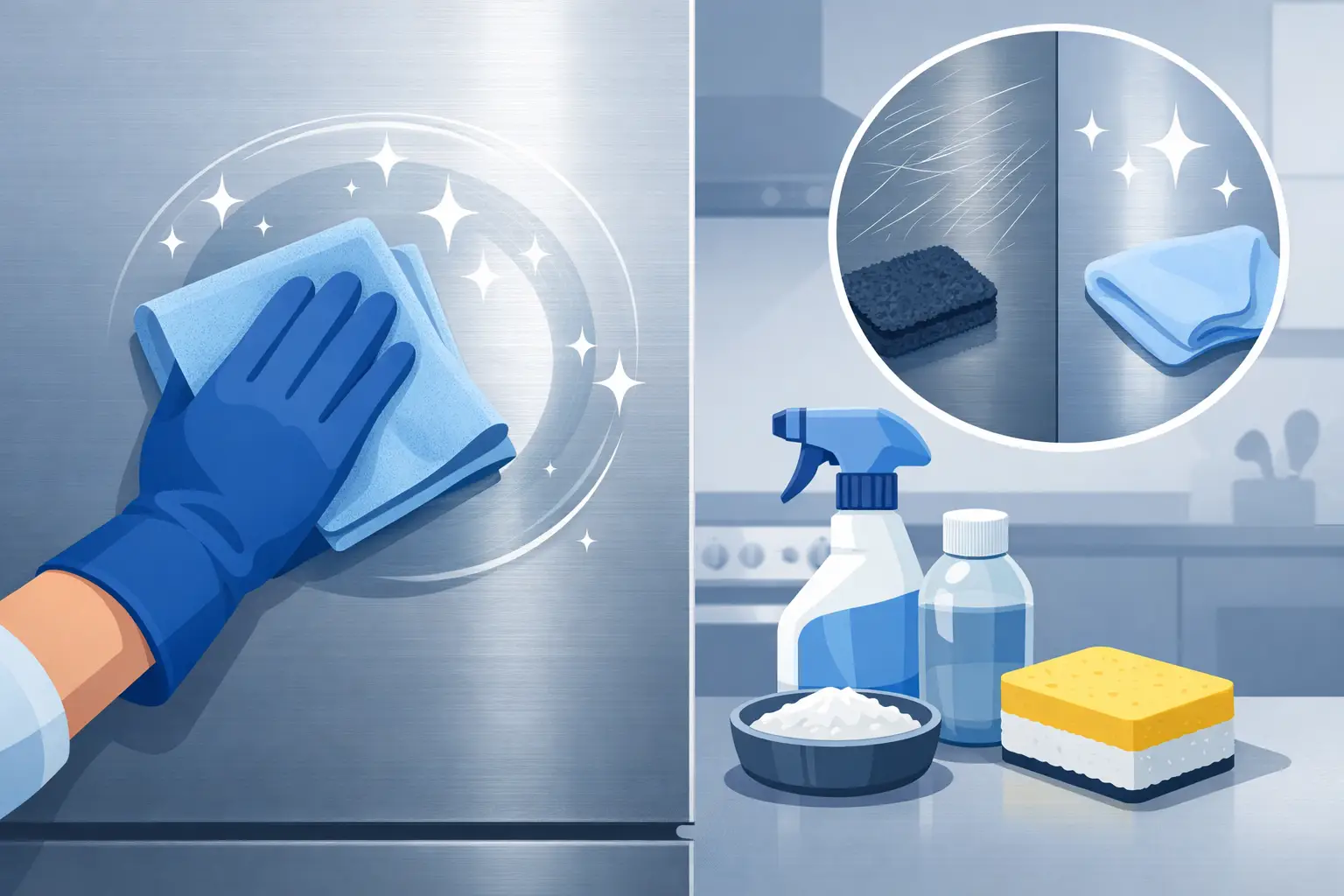
A streak across a stainless steel fridge or a haze on a cooktop can make an otherwise beautiful room feel slightly unsettled. If you are wondering how to clean stainless steel without scratches, the answer is less about force and more about method. Stainless steel rewards careful hands, the right cloth, and a clear understanding of what its finish can and cannot tolerate.

Stainless steel is often treated as if it is indestructible. It is durable, yes, but the finish is still vulnerable. Brushed panels, polished appliances, range hoods, sinks, and trim pieces all show wear differently. A cleaner that works well on one surface can leave another looking dull, cloudy, or marked. That is why precision matters.

Why stainless steel scratches so easily

Most stainless steel surfaces are not mirror-flat. They have a visible grain, much like wood, and that grain determines how light reflects off the metal. When you wipe against it with a rough pad or use a gritty cleanser, you create small disruptions in that pattern. The result may not look severe at first, but under natural light it can appear as fine scratching, blotchiness, or a permanent loss of radiance.

The risk is higher on premium finishes, darker stainless coatings, and large uninterrupted surfaces such as refrigerators, dishwashers, elevators, and commercial panels. Even paper towels can be too abrasive on some finishes, especially if there is dust or dried residue trapped underneath.

How to clean stainless steel without scratches

The safest approach begins with restraint. Before reaching for a strong spray or scrubbing tool, remove loose dust and particles with a soft microfiber cloth. This first pass matters because much of the scratching people blame on cleaning products is actually caused by rubbing debris across the surface.

Next, use warm water or a mild dish soap solution on a clean microfiber cloth. The cloth should be damp, not soaking. Wipe in the direction of the grain, not in circles and not back and forth across it. If you are unsure where the grain runs, look closely from an angle under light. On many appliances it runs vertically, though not always.

Once the surface is clean, rinse with a second cloth dampened only with fresh water. This removes soap film, which is one of the main reasons stainless steel loses its crisp, reflective finish. Then dry the surface immediately with a dry microfiber cloth, again following the grain. Air drying often leaves mineral spots and streaks, especially in homes with harder water.

That simple sequence – dust, wash gently, rinse, dry – solves most day-to-day stainless steel cleaning without introducing damage.

The tools that protect the finish

If you want stainless steel to keep its refined appearance, your tools matter as much as your technique. A high-quality microfiber cloth is the standard for a reason. It lifts oils and residue without the abrasion of rougher fabrics, and it gives you more control over pressure.

Soft cotton cloths can also work, particularly for drying and buffing, but they are less effective at trapping grime. What you should avoid is just as important: steel wool, scouring pads, stiff-bristle brushes, abrasive powders, and most melamine foam erasers unless the manufacturer specifically approves them for that finish. These can leave micro-scratches that build over time.

Spray bottles are useful, but spray the cloth rather than the stainless steel whenever possible. Overspray can seep into seams, control panels, or edges around handles, and excess liquid tends to create more streaking than shine.

The best cleaners for different situations

Not every stainless steel surface needs a specialty product. For routine care, mild dish soap and water are often enough. This is especially true in homes where surfaces are cleaned regularly and grease is not allowed to build up.

For fingerprints, a lightly damp microfiber cloth followed by a dry buff is usually effective. On refrigerators and dishwashers, this gentle method often restores a polished look without any chemical residue.

For heavier grease, such as on a range hood or around a cooktop, a small amount of diluted dish soap works better than many all-purpose cleaners. Dish soap is designed to break down oils, but it is still mild enough to respect most stainless finishes.

For water spots or light mineral film on sinks, a small amount of white vinegar can help, but this is where nuance matters. Vinegar is useful when diluted and used briefly, then rinsed thoroughly. It should not sit on the surface for long periods, and it should never be your default cleaner for every stainless item. On some finishes, repeated acid exposure can dull the surface.

Commercial stainless steel cleaners can be worthwhile for high-visibility appliances or office fixtures, especially when a protective sheen is desired. The best ones clean lightly and leave a finish-enhancing layer, but they can also create buildup if overused. In a premium home or workplace, the goal is not a greasy shine. It is clarity, depth, and a finish that still looks like metal, not polish.

What to avoid if you want a flawless result

Bleach is one of the most common mistakes. It can damage stainless steel, particularly if it sits too long or is used repeatedly. Ammonia-based products can also be too harsh for certain finishes. Oven cleaners, abrasive cream cleansers, and bathroom descalers are rarely appropriate unless the manufacturer clearly says otherwise.

You should also avoid leaving wet cloths, cleaner residue, or standing water on stainless steel. Despite the name, stainless is not stain-proof. Minerals, salts, and chemical residue can all leave marks if they remain on the surface.

Pressure is another hidden problem. People often scrub harder when they see a mark that does not lift immediately. In practice, this usually worsens the issue. When a spot resists, it is better to soften it with a damp cloth and patience than to force it off with friction.

Handling grease, smudges, and stubborn marks

Kitchen stainless steel has its own challenges. Cooking oils settle into a fine film that attracts dust and fingerprints, especially on hoods and appliance doors. If a surface feels tacky, plain water will not be enough. Use a soft cloth with warm water and a drop of dish soap, wipe with the grain, then rinse and dry thoroughly.

For dried-on residue, hold a warm, damp microfiber cloth against the area for a minute or two. This softens the buildup so it can be lifted rather than scraped. If needed, repeat the process rather than increasing pressure.

Sinks are slightly different. Because they tolerate more contact and more moisture, they often collect water spots and cloudy residue before they show obvious scratching. The same principles still apply: gentle cleaning, rinse well, dry fully. A sink can handle more frequent attention, but it still benefits from finish-safe care.

Restoring shine without overpolishing

Once stainless steel is clean, some people like to add a final polish. This can work beautifully on appliance fronts and decorative panels, but only if it is done with a light hand. A tiny amount of mineral oil or a dedicated stainless polish on a cloth can enhance depth and reduce fingerprint visibility. The key word is tiny.

Too much oil leaves a smeared finish that attracts dust and becomes difficult to maintain. In family homes, commercial settings, and shared spaces, heavy polishing can actually create more work because every touch mark becomes more obvious.

A balanced finish is usually best – clean, dry, and gently buffed. That look feels calm, cared for, and enduring.

When the finish is already scratched

If the stainless steel already has visible scratches, cleaning alone will not remove them. Light cosmetic marks may become less noticeable when the surface is cleaned and polished correctly, but deeper scratches often need a restoration product or professional attention. This is especially true for premium appliances, elevator panels, custom cabinetry trim, and coated stainless finishes where the wrong repair attempt can make the area look worse.

There is also an it-depends factor here. Some brushed stainless can be improved with specialized scratch-removal kits used in exact alignment with the grain. Polished or coated finishes are far less forgiving. When the piece is high value or highly visible, caution protects the asset.

At Rosewood & Luster, this is the philosophy behind every finish-sensitive task: care first, force never. Stainless steel keeps its beauty when it is treated with patience, clean materials, and respect for the surface in front of you.

The most reliable standard is simple. Clean lightly, follow the grain, dry completely, and stop before you overwork the finish. That is how stainless steel stays elegant for years, not just clean for the afternoon.

  • Adelaide cleaning service cleaning clear glass wall near sofa
  • Refreshed modern living space, arranged and maintained by Rosewood & Luster
  • Mopping a pristine wooden floor with premium finish
  • Adelaide based mobile car detailing
  • Inner city garden care
  • Rustic outdoor patio with wooden furniture

How to Clean Stainless Steel Without Scratches

How to Clean Stainless Steel Without Scratches

A streak across a stainless steel fridge or a haze on a cooktop can make an otherwise beautiful room feel slightly unsettled. If you are wondering how to clean stainless steel without scratches, the answer is less about force and more about method. Stainless steel rewards careful hands, the right cloth, and a clear understanding of what its finish can and cannot tolerate.

Stainless steel is often treated as if it is indestructible. It is durable, yes, but the finish is still vulnerable. Brushed panels, polished appliances, range hoods, sinks, and trim pieces all show wear differently. A cleaner that works well on one surface can leave another looking dull, cloudy, or marked. That is why precision matters.

Why stainless steel scratches so easily

Most stainless steel surfaces are not mirror-flat. They have a visible grain, much like wood, and that grain determines how light reflects off the metal. When you wipe against it with a rough pad or use a gritty cleanser, you create small disruptions in that pattern. The result may not look severe at first, but under natural light it can appear as fine scratching, blotchiness, or a permanent loss of radiance.

The risk is higher on premium finishes, darker stainless coatings, and large uninterrupted surfaces such as refrigerators, dishwashers, elevators, and commercial panels. Even paper towels can be too abrasive on some finishes, especially if there is dust or dried residue trapped underneath.

How to clean stainless steel without scratches

The safest approach begins with restraint. Before reaching for a strong spray or scrubbing tool, remove loose dust and particles with a soft microfiber cloth. This first pass matters because much of the scratching people blame on cleaning products is actually caused by rubbing debris across the surface.

Next, use warm water or a mild dish soap solution on a clean microfiber cloth. The cloth should be damp, not soaking. Wipe in the direction of the grain, not in circles and not back and forth across it. If you are unsure where the grain runs, look closely from an angle under light. On many appliances it runs vertically, though not always.

Once the surface is clean, rinse with a second cloth dampened only with fresh water. This removes soap film, which is one of the main reasons stainless steel loses its crisp, reflective finish. Then dry the surface immediately with a dry microfiber cloth, again following the grain. Air drying often leaves mineral spots and streaks, especially in homes with harder water.

That simple sequence – dust, wash gently, rinse, dry – solves most day-to-day stainless steel cleaning without introducing damage.

The tools that protect the finish

If you want stainless steel to keep its refined appearance, your tools matter as much as your technique. A high-quality microfiber cloth is the standard for a reason. It lifts oils and residue without the abrasion of rougher fabrics, and it gives you more control over pressure.

Soft cotton cloths can also work, particularly for drying and buffing, but they are less effective at trapping grime. What you should avoid is just as important: steel wool, scouring pads, stiff-bristle brushes, abrasive powders, and most melamine foam erasers unless the manufacturer specifically approves them for that finish. These can leave micro-scratches that build over time.

Spray bottles are useful, but spray the cloth rather than the stainless steel whenever possible. Overspray can seep into seams, control panels, or edges around handles, and excess liquid tends to create more streaking than shine.

The best cleaners for different situations

Not every stainless steel surface needs a specialty product. For routine care, mild dish soap and water are often enough. This is especially true in homes where surfaces are cleaned regularly and grease is not allowed to build up.

For fingerprints, a lightly damp microfiber cloth followed by a dry buff is usually effective. On refrigerators and dishwashers, this gentle method often restores a polished look without any chemical residue.

For heavier grease, such as on a range hood or around a cooktop, a small amount of diluted dish soap works better than many all-purpose cleaners. Dish soap is designed to break down oils, but it is still mild enough to respect most stainless finishes.

For water spots or light mineral film on sinks, a small amount of white vinegar can help, but this is where nuance matters. Vinegar is useful when diluted and used briefly, then rinsed thoroughly. It should not sit on the surface for long periods, and it should never be your default cleaner for every stainless item. On some finishes, repeated acid exposure can dull the surface.

Commercial stainless steel cleaners can be worthwhile for high-visibility appliances or office fixtures, especially when a protective sheen is desired. The best ones clean lightly and leave a finish-enhancing layer, but they can also create buildup if overused. In a premium home or workplace, the goal is not a greasy shine. It is clarity, depth, and a finish that still looks like metal, not polish.

What to avoid if you want a flawless result

Bleach is one of the most common mistakes. It can damage stainless steel, particularly if it sits too long or is used repeatedly. Ammonia-based products can also be too harsh for certain finishes. Oven cleaners, abrasive cream cleansers, and bathroom descalers are rarely appropriate unless the manufacturer clearly says otherwise.

You should also avoid leaving wet cloths, cleaner residue, or standing water on stainless steel. Despite the name, stainless is not stain-proof. Minerals, salts, and chemical residue can all leave marks if they remain on the surface.

Pressure is another hidden problem. People often scrub harder when they see a mark that does not lift immediately. In practice, this usually worsens the issue. When a spot resists, it is better to soften it with a damp cloth and patience than to force it off with friction.

Handling grease, smudges, and stubborn marks

Kitchen stainless steel has its own challenges. Cooking oils settle into a fine film that attracts dust and fingerprints, especially on hoods and appliance doors. If a surface feels tacky, plain water will not be enough. Use a soft cloth with warm water and a drop of dish soap, wipe with the grain, then rinse and dry thoroughly.

For dried-on residue, hold a warm, damp microfiber cloth against the area for a minute or two. This softens the buildup so it can be lifted rather than scraped. If needed, repeat the process rather than increasing pressure.

Sinks are slightly different. Because they tolerate more contact and more moisture, they often collect water spots and cloudy residue before they show obvious scratching. The same principles still apply: gentle cleaning, rinse well, dry fully. A sink can handle more frequent attention, but it still benefits from finish-safe care.

Restoring shine without overpolishing

Once stainless steel is clean, some people like to add a final polish. This can work beautifully on appliance fronts and decorative panels, but only if it is done with a light hand. A tiny amount of mineral oil or a dedicated stainless polish on a cloth can enhance depth and reduce fingerprint visibility. The key word is tiny.

Too much oil leaves a smeared finish that attracts dust and becomes difficult to maintain. In family homes, commercial settings, and shared spaces, heavy polishing can actually create more work because every touch mark becomes more obvious.

A balanced finish is usually best – clean, dry, and gently buffed. That look feels calm, cared for, and enduring.

When the finish is already scratched

If the stainless steel already has visible scratches, cleaning alone will not remove them. Light cosmetic marks may become less noticeable when the surface is cleaned and polished correctly, but deeper scratches often need a restoration product or professional attention. This is especially true for premium appliances, elevator panels, custom cabinetry trim, and coated stainless finishes where the wrong repair attempt can make the area look worse.

There is also an it-depends factor here. Some brushed stainless can be improved with specialized scratch-removal kits used in exact alignment with the grain. Polished or coated finishes are far less forgiving. When the piece is high value or highly visible, caution protects the asset.

At Rosewood & Luster, this is the philosophy behind every finish-sensitive task: care first, force never. Stainless steel keeps its beauty when it is treated with patience, clean materials, and respect for the surface in front of you.

The most reliable standard is simple. Clean lightly, follow the grain, dry completely, and stop before you overwork the finish. That is how stainless steel stays elegant for years, not just clean for the afternoon.

Leave a Reply

Discover more from Rosewood & Luster

Subscribe now to keep reading and get access to the full archive.

Continue reading