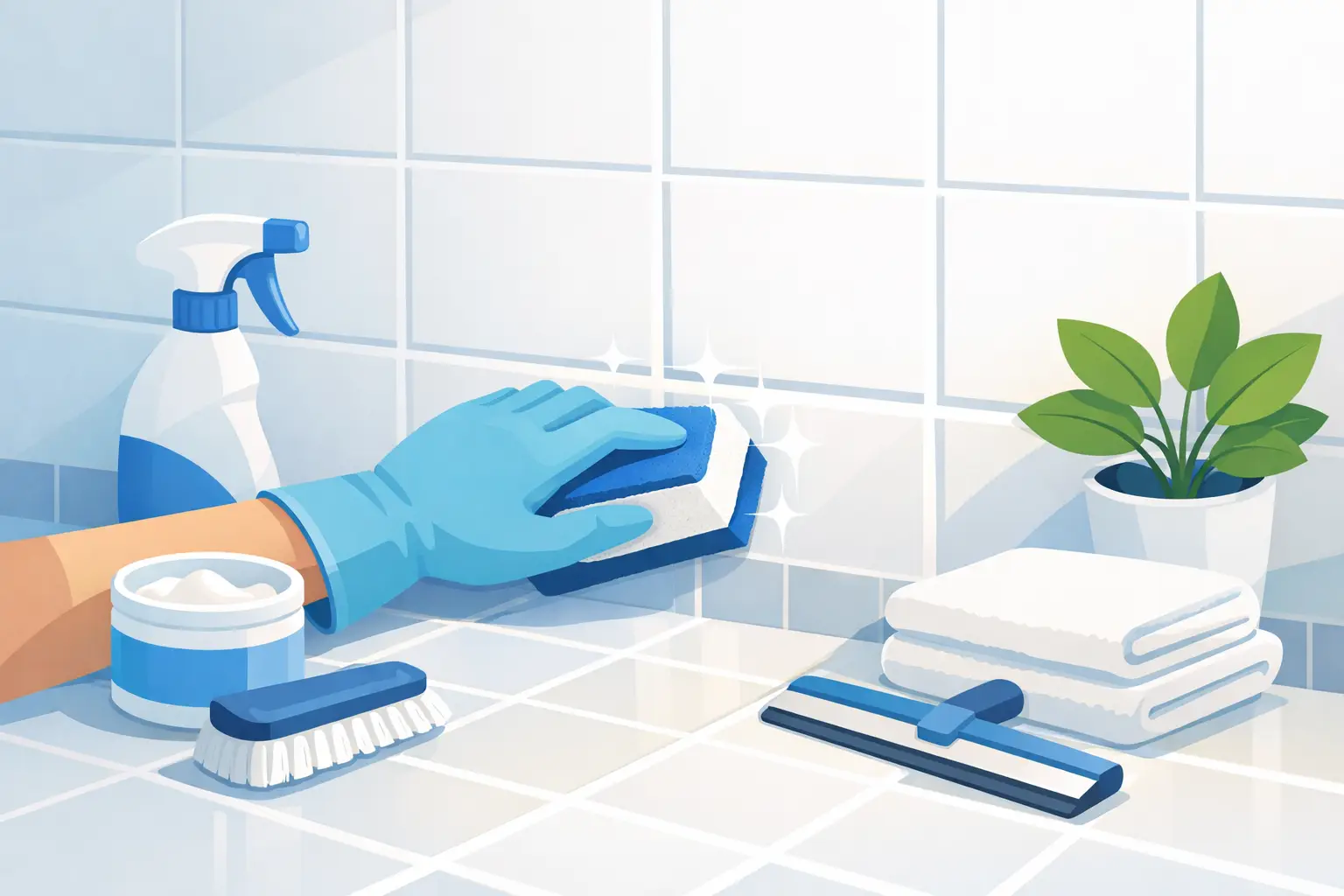
White grout has a way of changing the whole mood of a room. It makes tile feel crisp, bright, and carefully finished – until soap residue, cooking splatter, foot traffic, or hard water dull that clean line. If you have been wondering how to keep white grout looking new, the answer is less about aggressive scrubbing and more about steady, protective care.

Grout is porous by nature. That means it absorbs more than most people realize, especially in bathrooms, kitchens, mudrooms, and entryways. Once moisture, oils, and fine soil settle in, white grout starts to look aged long before the tile itself does. The good news is that keeping it fresh is very possible when you treat grout as a finish worth preserving, not just a problem to attack when it turns gray.

Why white grout loses its brightness

White grout does not usually become dirty overnight. More often, it fades slowly through buildup. In a shower, that buildup may be soap film, body oil, and mineral deposits. On a kitchen backsplash, it may be grease and fine cooking residue. On a floor, it is often a combination of dust, mopping residue, and tracked-in grime that gets pressed into the grout lines.

The biggest mistake people make is assuming discoloration always means deep staining. Sometimes the grout is not stained at all – it is simply coated. That distinction matters, because coated grout can often be restored gently, while stained or damaged grout may need more specialized treatment.

There is also a trade-off to consider with white grout itself. It is beautiful because it creates contrast and clarity, but it will always show neglect faster than darker grout. If you choose white, you are choosing a higher-maintenance finish. That is not a flaw. It simply means your routine matters more.

How to keep white grout looking new day to day

The most effective grout care happens between deep cleans. Small habits keep residue from settling in and reduce the need for harsh methods later.

In bathrooms, ventilation is part of cleaning. Running the exhaust fan during and after showers helps reduce lingering moisture, which slows mildew growth and mineral spotting. A quick wipe of shower walls and tiled areas after use does more for white grout than an occasional heavy scrub.

In kitchens, the key is timing. Grease and food mist are easiest to remove while fresh. If a backsplash is wiped routinely with a soft cloth and a pH-neutral cleaner, the grout is far less likely to yellow or darken. Floors need similar attention. Fine grit acts like a soil delivery system, especially in textured tile and porous grout joints, so regular vacuuming or dry dusting before mopping is essential.

The water you use also matters. Overwet mops can push dirty water into grout lines instead of lifting soil away. Use a damp microfiber mop rather than a saturated one, and refresh the water often. If the mop water looks cloudy, it is no longer cleaning well.

The best way to clean white grout without damaging it

When grout begins to lose its brightness, gentleness should still come first. A soft brush, warm water, and a tile-safe, pH-neutral cleaner will handle more than many people expect. Work in small sections, agitate lightly, then rinse and dry the area so loosened residue does not settle back in.

If that does not fully lift the discoloration, a paste made with baking soda and a small amount of water can help with localized buildup. Apply it to the grout line, allow it to sit briefly, then brush gently and rinse well. This works best for light grime rather than severe staining.

What you want to avoid is the instinct to make every cleaning stronger. Bleach, highly acidic cleaners, and stiff wire brushes may produce a quick visual change, but they can also erode grout, weaken sealant, and leave the surface more vulnerable to future staining. Steam cleaning can be helpful in some cases, but it depends on the condition of the grout and tile. On older or poorly sealed grout, too much heat and moisture can do more harm than good.

There is a difference between restoring and wearing down. With white grout, preservation should always be the goal.

Sealant is where long-term protection begins

If you want a real answer to how to keep white grout looking new, sealing deserves a central place in the conversation. Grout sealer helps reduce how much moisture, oil, and dirt the grout absorbs. It is not permanent, and it is not a substitute for cleaning, but it creates a protective buffer that makes routine care much more effective.

Not all grout needs the same sealing schedule. Shower floors and high-traffic tiled entries usually need more frequent attention than a decorative wall. The type of grout, the quality of the previous installation, and how the space is used all influence the timeline. A simple test is to place a few drops of water on the grout. If the water beads for a while, the seal is likely still doing its job. If it soaks in quickly, it may be time to reseal.

This is one of those areas where precision matters. Applying sealer over dirty grout can trap discoloration beneath the finish. Sealing should always happen after the grout has been properly cleaned and fully dried.

When white grout needs more than a basic clean

Some grout lines stay dull no matter how carefully you clean them. That usually points to one of three issues: true staining, mold or mildew growth below the surface, or deterioration of the grout itself.

In bathrooms, persistent dark spotting may be mildew rather than soil. In kitchens, yellowing can be caused by old grease buildup that has migrated deep into the grout. On floors, worn grout may simply have lost its smooth surface, making it easier for dirt to lodge in the texture.

At that stage, repeated home cleaning can become frustrating and counterproductive. If the grout is crumbling, uneven, or permanently discolored, restoration may involve professional cleaning, color sealing, or partial regrouting. Color sealing is especially useful when the grout is structurally sound but visually inconsistent. It refreshes the appearance while adding a new layer of protection.

A premium result often comes from knowing when to stop scrubbing and start restoring.

Common mistakes that age grout faster

Many grout problems begin with good intentions. The wrong cleaner used too often can leave residue behind or damage the surface. Mop-and-bucket cleaning without changing the water frequently can spread soil into grout lines. Skipping dry soil removal before mopping turns dust into muddy film.

Another common issue is using bathroom and kitchen products interchangeably. A cleaner that works well on greasy backsplash tile may not be ideal for mineral-heavy shower grout. Different environments leave different residues, and the care plan should reflect that.

Even product layering can create trouble. If one cleaner leaves residue and another reacts poorly with it, the grout may start looking hazy, sticky, or uneven. Simpler routines tend to protect white grout better than a cabinet full of strong chemicals.

A maintenance rhythm that keeps grout bright

The most successful approach is a calm, repeatable one. Dry debris should be removed regularly from tiled floors. Wet areas should be aired out and wiped down often enough that soap film and moisture do not get comfortable. Backsplashes should be cleaned before grease sets. Grout should be checked periodically for sealant performance, not just for visible dirt.

This kind of maintenance is not about perfection. It is about consistency. A white grout line does not stay beautiful because it was cleaned intensely once. It stays beautiful because the space is cared for with intention, before wear becomes visible.

That is often what separates a room that merely looks clean from one that feels truly tended to. The tile still has its clarity. The grout still frames the surface instead of distracting from it. The whole room holds onto that quiet, finished look people notice even when they cannot immediately explain why.

For households and properties where presentation matters, grout should never be an afterthought. It is one of the details that quietly signals the standard of care behind the entire space. Treat it that way, and white grout can keep its brightness far longer than most people expect.

  • Adelaide cleaning service cleaning clear glass wall near sofa
  • Refreshed modern living space, arranged and maintained by Rosewood & Luster
  • Mopping a pristine wooden floor with premium finish
  • Adelaide based mobile car detailing
  • Inner city garden care
  • Rustic outdoor patio with wooden furniture

How to Keep White Grout Looking New

How to Keep White Grout Looking New

White grout has a way of changing the whole mood of a room. It makes tile feel crisp, bright, and carefully finished – until soap residue, cooking splatter, foot traffic, or hard water dull that clean line. If you have been wondering how to keep white grout looking new, the answer is less about aggressive scrubbing and more about steady, protective care.

Grout is porous by nature. That means it absorbs more than most people realize, especially in bathrooms, kitchens, mudrooms, and entryways. Once moisture, oils, and fine soil settle in, white grout starts to look aged long before the tile itself does. The good news is that keeping it fresh is very possible when you treat grout as a finish worth preserving, not just a problem to attack when it turns gray.

Why white grout loses its brightness

White grout does not usually become dirty overnight. More often, it fades slowly through buildup. In a shower, that buildup may be soap film, body oil, and mineral deposits. On a kitchen backsplash, it may be grease and fine cooking residue. On a floor, it is often a combination of dust, mopping residue, and tracked-in grime that gets pressed into the grout lines.

The biggest mistake people make is assuming discoloration always means deep staining. Sometimes the grout is not stained at all – it is simply coated. That distinction matters, because coated grout can often be restored gently, while stained or damaged grout may need more specialized treatment.

There is also a trade-off to consider with white grout itself. It is beautiful because it creates contrast and clarity, but it will always show neglect faster than darker grout. If you choose white, you are choosing a higher-maintenance finish. That is not a flaw. It simply means your routine matters more.

How to keep white grout looking new day to day

The most effective grout care happens between deep cleans. Small habits keep residue from settling in and reduce the need for harsh methods later.

In bathrooms, ventilation is part of cleaning. Running the exhaust fan during and after showers helps reduce lingering moisture, which slows mildew growth and mineral spotting. A quick wipe of shower walls and tiled areas after use does more for white grout than an occasional heavy scrub.

In kitchens, the key is timing. Grease and food mist are easiest to remove while fresh. If a backsplash is wiped routinely with a soft cloth and a pH-neutral cleaner, the grout is far less likely to yellow or darken. Floors need similar attention. Fine grit acts like a soil delivery system, especially in textured tile and porous grout joints, so regular vacuuming or dry dusting before mopping is essential.

The water you use also matters. Overwet mops can push dirty water into grout lines instead of lifting soil away. Use a damp microfiber mop rather than a saturated one, and refresh the water often. If the mop water looks cloudy, it is no longer cleaning well.

The best way to clean white grout without damaging it

When grout begins to lose its brightness, gentleness should still come first. A soft brush, warm water, and a tile-safe, pH-neutral cleaner will handle more than many people expect. Work in small sections, agitate lightly, then rinse and dry the area so loosened residue does not settle back in.

If that does not fully lift the discoloration, a paste made with baking soda and a small amount of water can help with localized buildup. Apply it to the grout line, allow it to sit briefly, then brush gently and rinse well. This works best for light grime rather than severe staining.

What you want to avoid is the instinct to make every cleaning stronger. Bleach, highly acidic cleaners, and stiff wire brushes may produce a quick visual change, but they can also erode grout, weaken sealant, and leave the surface more vulnerable to future staining. Steam cleaning can be helpful in some cases, but it depends on the condition of the grout and tile. On older or poorly sealed grout, too much heat and moisture can do more harm than good.

There is a difference between restoring and wearing down. With white grout, preservation should always be the goal.

Sealant is where long-term protection begins

If you want a real answer to how to keep white grout looking new, sealing deserves a central place in the conversation. Grout sealer helps reduce how much moisture, oil, and dirt the grout absorbs. It is not permanent, and it is not a substitute for cleaning, but it creates a protective buffer that makes routine care much more effective.

Not all grout needs the same sealing schedule. Shower floors and high-traffic tiled entries usually need more frequent attention than a decorative wall. The type of grout, the quality of the previous installation, and how the space is used all influence the timeline. A simple test is to place a few drops of water on the grout. If the water beads for a while, the seal is likely still doing its job. If it soaks in quickly, it may be time to reseal.

This is one of those areas where precision matters. Applying sealer over dirty grout can trap discoloration beneath the finish. Sealing should always happen after the grout has been properly cleaned and fully dried.

When white grout needs more than a basic clean

Some grout lines stay dull no matter how carefully you clean them. That usually points to one of three issues: true staining, mold or mildew growth below the surface, or deterioration of the grout itself.

In bathrooms, persistent dark spotting may be mildew rather than soil. In kitchens, yellowing can be caused by old grease buildup that has migrated deep into the grout. On floors, worn grout may simply have lost its smooth surface, making it easier for dirt to lodge in the texture.

At that stage, repeated home cleaning can become frustrating and counterproductive. If the grout is crumbling, uneven, or permanently discolored, restoration may involve professional cleaning, color sealing, or partial regrouting. Color sealing is especially useful when the grout is structurally sound but visually inconsistent. It refreshes the appearance while adding a new layer of protection.

A premium result often comes from knowing when to stop scrubbing and start restoring.

Common mistakes that age grout faster

Many grout problems begin with good intentions. The wrong cleaner used too often can leave residue behind or damage the surface. Mop-and-bucket cleaning without changing the water frequently can spread soil into grout lines. Skipping dry soil removal before mopping turns dust into muddy film.

Another common issue is using bathroom and kitchen products interchangeably. A cleaner that works well on greasy backsplash tile may not be ideal for mineral-heavy shower grout. Different environments leave different residues, and the care plan should reflect that.

Even product layering can create trouble. If one cleaner leaves residue and another reacts poorly with it, the grout may start looking hazy, sticky, or uneven. Simpler routines tend to protect white grout better than a cabinet full of strong chemicals.

A maintenance rhythm that keeps grout bright

The most successful approach is a calm, repeatable one. Dry debris should be removed regularly from tiled floors. Wet areas should be aired out and wiped down often enough that soap film and moisture do not get comfortable. Backsplashes should be cleaned before grease sets. Grout should be checked periodically for sealant performance, not just for visible dirt.

This kind of maintenance is not about perfection. It is about consistency. A white grout line does not stay beautiful because it was cleaned intensely once. It stays beautiful because the space is cared for with intention, before wear becomes visible.

That is often what separates a room that merely looks clean from one that feels truly tended to. The tile still has its clarity. The grout still frames the surface instead of distracting from it. The whole room holds onto that quiet, finished look people notice even when they cannot immediately explain why.

For households and properties where presentation matters, grout should never be an afterthought. It is one of the details that quietly signals the standard of care behind the entire space. Treat it that way, and white grout can keep its brightness far longer than most people expect.

Leave a Reply

Discover more from Rosewood & Luster

Subscribe now to keep reading and get access to the full archive.

Continue reading